




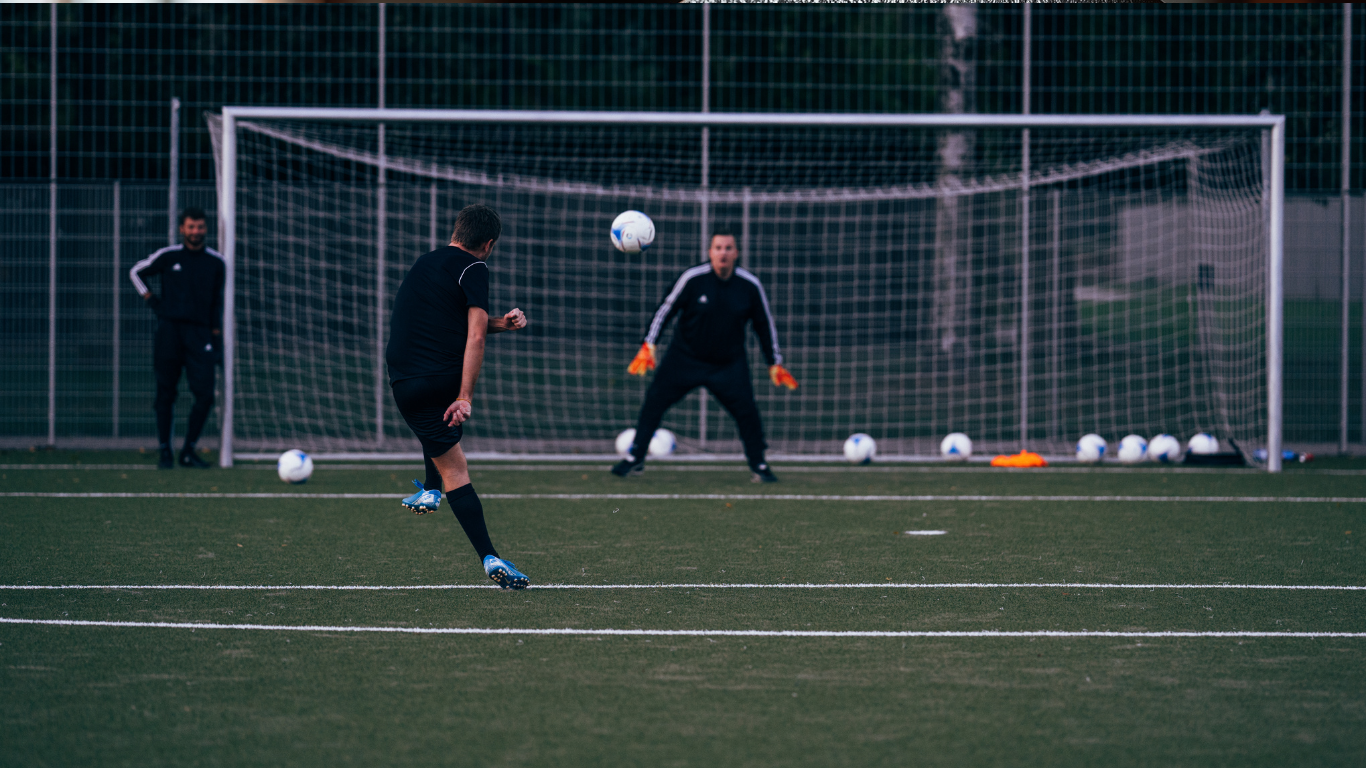

A sports lifestyle is more than just playing games or going to the gym, it’s a holistic approach to living that blends fitness, daily activity, recreation, and overall well-being. People who embrace this lifestyle integrate movement into their routines, choosing activities that not only keep them physically healthy but also mentally energized and socially connected. Living a sport-based life encourages active lifestyle habits, where exercise and recreation become natural parts of the day. It taps into sports culture, blending competitive and recreational experiences, and promotes fitness oriented living without making it feel like a chore. From morning jogs to weekend hiking trips, this lifestyle is about cultivating healthy daily habits while having fun.
Benefits of a Sport Driven Lifestyle
Embracing sports as a lifestyle brings a wide array of benefits, impacting the body, mind, and social connections.
Physical Health: Regular activity improves strength, endurance, and mobility. Engaging in team or individual sports helps maintain a healthy weight and boosts cardiovascular health.
Mental and Emotional Health: Exercise is a natural stress reliever. It reduces anxiety, combats depression, and enhances mood by releasing endorphins. People often report increased confidence and a sense of accomplishment after completing physical challenges.
Social Benefits: Participating in group sports or recreational activities builds teamwork skills, strengthens relationships, and offers a sense of belonging.
Discipline and Focus: Consistent practice and goal setting instill discipline and perseverance, traits that extend beyond sports into everyday life.
Overall, the benefits of sports are holistic, enhancing mental health and sports connections, motivating participants, and creating a foundation for a vibrant, active life. Fitness motivation and active recreation benefits become part of the routine, turning exercise into a lifestyle rather than a temporary activity.
Popular Recreational Sports for All Ages
Sports can be tailored to suit anyone’s interests, age, and skill level. Here’s a breakdown of popular recreational activities:
Outdoor Sports: Activities like cycling, hiking, and running offer fresh air exercise, build endurance, and connect participants with nature. These recreational sports activities are accessible for all ages.
Water Sports: Swimming, kayaking, and paddleboarding combine fitness and fun. They improve full body strength while being gentle on the joints.
Team Sports: Football, basketball, and volleyball foster collaboration, strategy, and social connection. Perfect for those who enjoy fun ways to stay active with friends or colleagues.
Low Impact Sports: Yoga, walking, and badminton provide exercise that is easy on the joints but still effective for mobility and flexibility. Ideal for beginners or people seeking low impact fitness activities.
Gym Based Activities: Weight training, aerobics, and indoor cycling sessions give structured routines that can complement outdoor play.
With so many options, there’s a sport for everyone, whether you’re looking for adrenaline, relaxation, or a social experience.
How to Adopt a Sport Lifestyle
Starting a sport oriented lifestyle doesn’t require drastic change small, consistent steps make the biggest difference.
Choose Sports that Match Your Goals: Pick activities that align with your fitness level, interests, and physical capabilities.
Build a Weekly Routine: Schedule activities like appointments to make movement a habit.
Start Slow and Increase Intensity: Gradually increasing difficulty reduces injury risk and keeps motivation high.
Track Progress: Journals, apps, or wearable trackers can motivate and highlight improvements.
Get Proper Gear: Comfortable clothing, appropriate footwear, and safety equipment enhance performance and safety.
Join Clubs or Community Centers: Participating in group activities fosters accountability, social interaction, and enjoyment.
Incorporating daily active habits and maintaining a fitness routine for beginners helps with staying consistent in fitness, gradually making sport a natural part of life.
Recreation for Mental Wellness
Recreation plays a vital role in mental health. Outdoor activity boosts mood, reduces stress, and promotes relaxation. Group sports and social games counter loneliness, building social bonds that improve emotional well being.
Exercise triggers endorphin release, the brain’s natural “feel good” chemicals, helping reduce anxiety and lift spirits. Regular physical activity provides structure and purpose, reinforcing a sense of accomplishment and mental resilience. Recreation and mental health, stress relief activities, and physical activity for mood are all key components of a sport based lifestyle.
Family and Community Sports Activities
Sports are not just individual pursuits they strengthen families and communities.
Family Game Nights and Weekend Outings: Simple games, hiking trips, or casual sports sessions can bring families closer while keeping everyone active.
Kids’ Recreational Sports: Engaging children in swimming, soccer, or martial arts promotes healthy habits early on.
Local Sports Tournaments: Community leagues or charity matches foster social connection and healthy competition.
By embracing family recreation and community sports activities, both children and adults can enjoy physical activity while strengthening social bonds. Sports for kids and adults alike create lasting memories and shared experiences.
Sport Lifestyle Trends in 2025
The world of sports and recreation is evolving, with new trends shaping how people stay active:
Fitness Trackers & Wearables: Smartwatches and health devices track movement, heart rate, and calories, helping optimize workouts.
Outdoor Adventure Sports: Activities like rock climbing, mountain biking, and paddleboarding are gaining popularity for thrill seekers.
Hybrid Workouts: Combining sports and gym based activities like running followed by strength training maximizes results.
Recreational Sports Tourism: Travel focused active vacations are rising, offering cycling tours, skiing trips, and hiking expeditions.
Social Fitness Clubs: Group based exercise communities are booming, making fitness social and fun.
These modern fitness trends, part of the future of sports lifestyle, highlight how recreation is becoming increasingly integrated, personalized, and technology driven. Recreation trends 2025 point toward activity that is both engaging and accessible.
Conclusion: Why Sport & Recreation Matter
Adopting a sport lifestyle is about more than just physical fitness; it’s a path to improved mental health, emotional well being, and social connection. Regular recreational activity supports strength, mobility, confidence, and discipline, while also offering fun and fulfillment.
Families and communities thrive when movement becomes part of daily life. Modern trends, from smart fitness trackers to adventure sports, make adopting an active lifestyle easier and more engaging than ever.
Ultimately, sport and recreation are essential for a balanced, vibrant life. By embracing a sport lifestyle, you invest not only in your body but also in your mind, relationships, and long term happiness.