



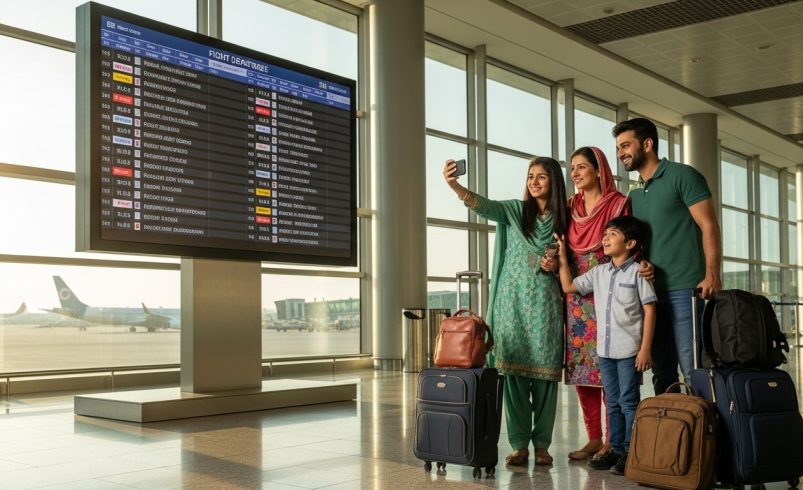

If you have ever sat at your desk and thought “I need to see more of this world,” you are not alone. Millions of people every year decide to stop postponing travel and finally book the trip they have been dreaming about for years. But once that excitement kicks in, the next question hits fast: where do you even begin?
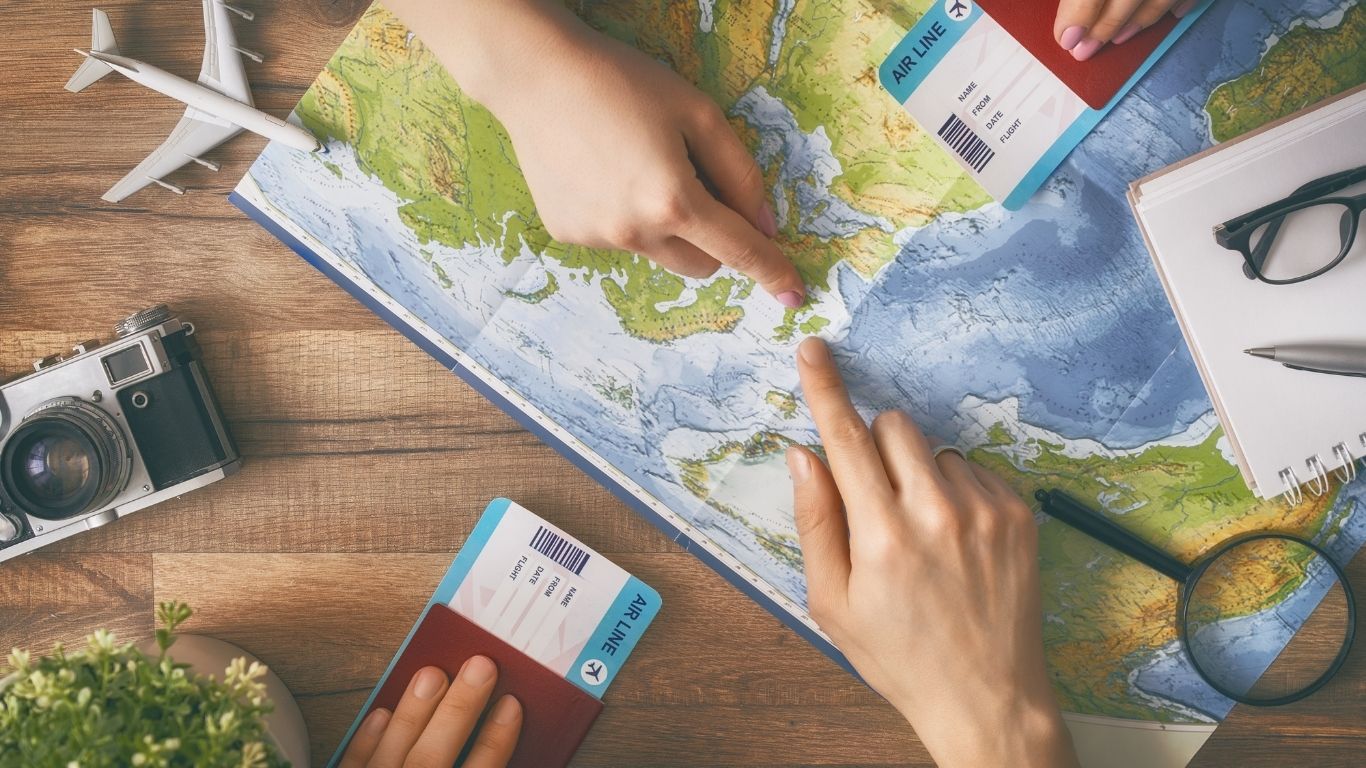
World tours and travels involve a lot more than just picking a destination and buying a flight ticket. There are tour operators to evaluate, travel packages to compare, visa requirements to understand, and budgets to plan carefully. Done right, international travel is one of the most rewarding experiences a person can have. Done without preparation, it can become an expensive and stressful lesson.
This guide breaks it all down in plain language so you can travel smarter, not harder.
What World Tours and Travels Actually Mean
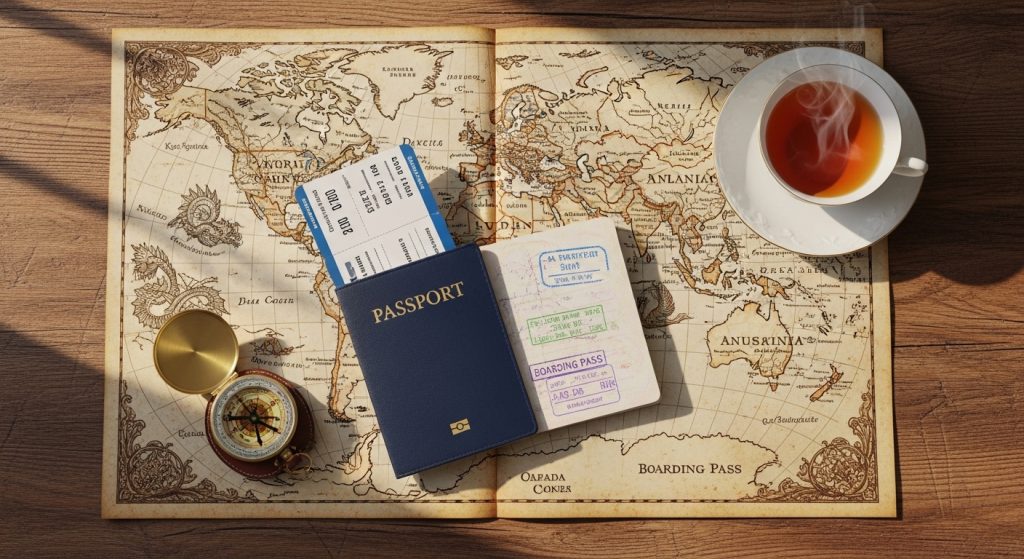
When people search for “world tours and travels,” they are usually looking for one of three things: a reputable travel agency, an organized tour package, or general guidance on how to plan international trips independently.
A world tour does not necessarily mean visiting every continent. In travel terms, it refers to any multi-destination international journey, whether that is a two-week trip across Southeast Asia or a month-long exploration of Europe and the Middle East.
Travel agencies that specialise in world tours typically offer packaged deals that bundle flights, accommodations, local transportation, and guided experiences into one booking. This removes a significant amount of planning pressure, especially for first-time international travelers.
Types of International Tour Packages Worth Knowing
Before you contact any tour operator or browse travel websites, it helps to understand the basic types of packages available.

All-inclusive tour packages cover your flights, hotel stays, meals, and guided activities under a single price. These work well for travelers who prefer a hassle-free experience and want full cost predictability upfront.

Semi-inclusive packages handle the major logistics like flights and accommodation but leave meals and daily activities to you. These give you more flexibility to explore on your own terms while still removing the stress of finding a place to sleep.

Independent travel with support is for those who want to self-navigate but still want a travel agency to handle visa applications, airport transfers, and emergency support.
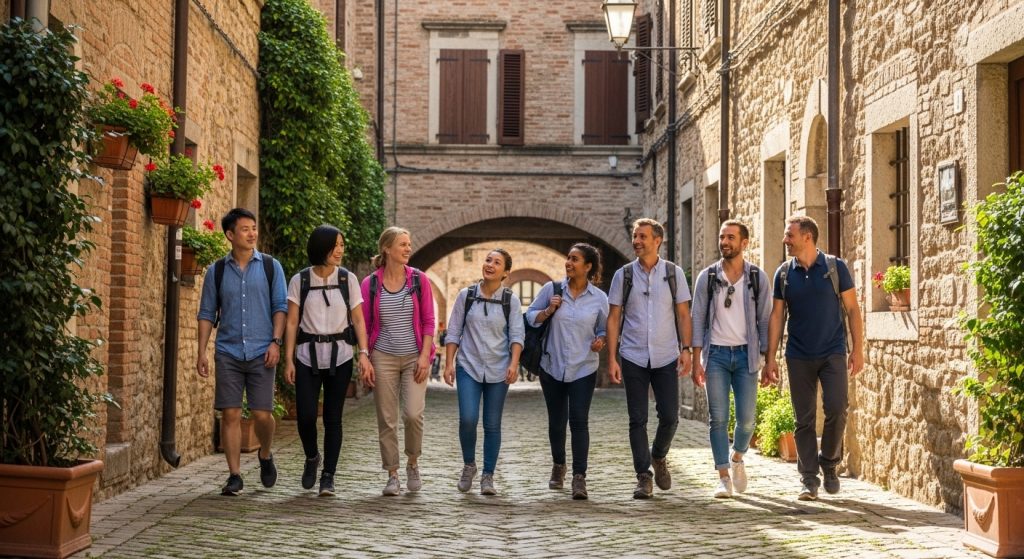
Group tours bring together travelers from different backgrounds on a shared itinerary. These are popular for solo travelers who want company and for those visiting places where independent navigation is genuinely difficult.
The Most Popular Destinations for World Travelers in 2026
Destination trends shift every year based on visa policies, airline routes, currency exchange rates, and global events. Based on current travel data, these destinations are seeing the highest demand from international tourists in 2026.
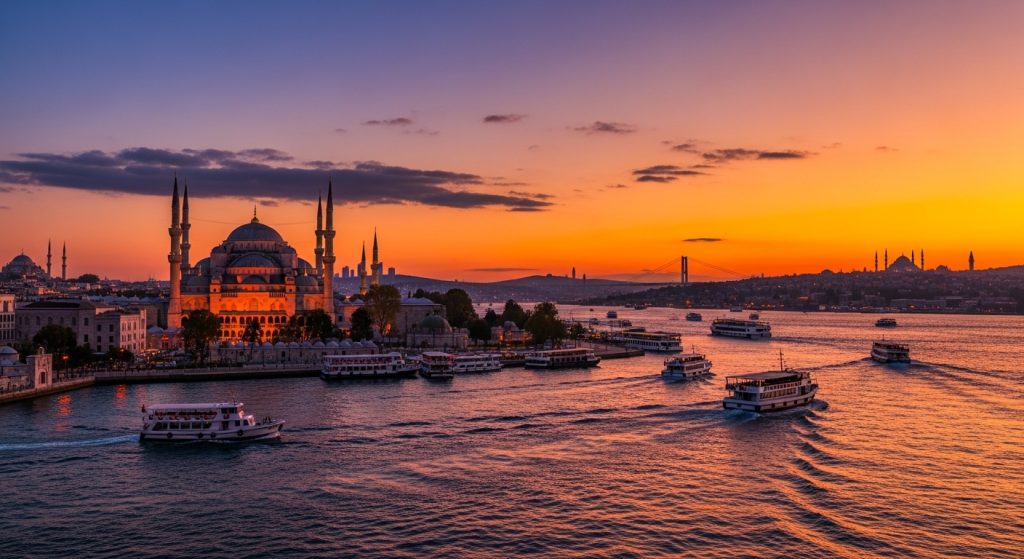
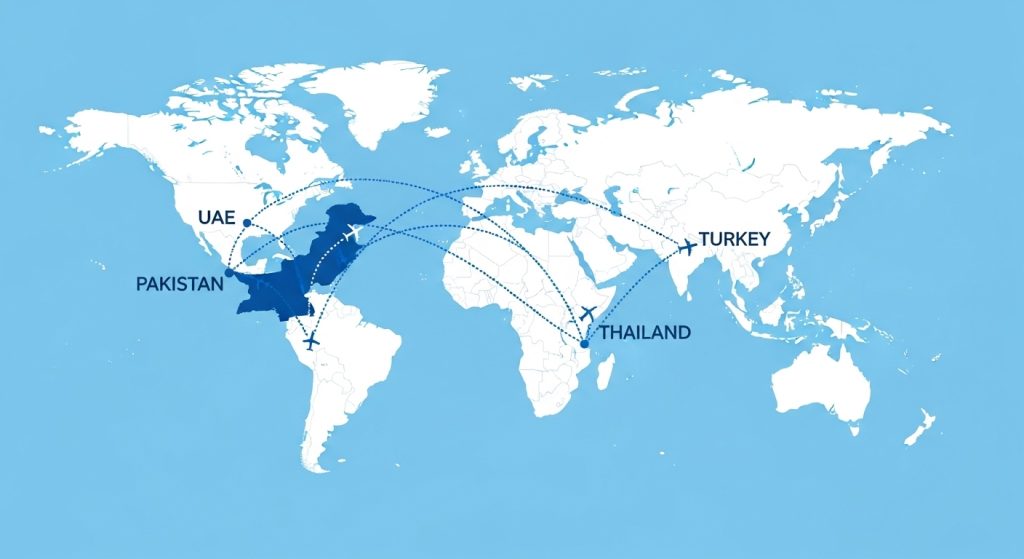
Turkey remains one of the most visited countries in the world. Istanbul sits at the crossroads of Europe and Asia, offering a travel experience that genuinely cannot be replicated anywhere else. The food, the architecture, the bazaars, and the Bosphorus all combine into something unforgettable. It is also one of the most affordable luxury destinations for South Asian travelers.
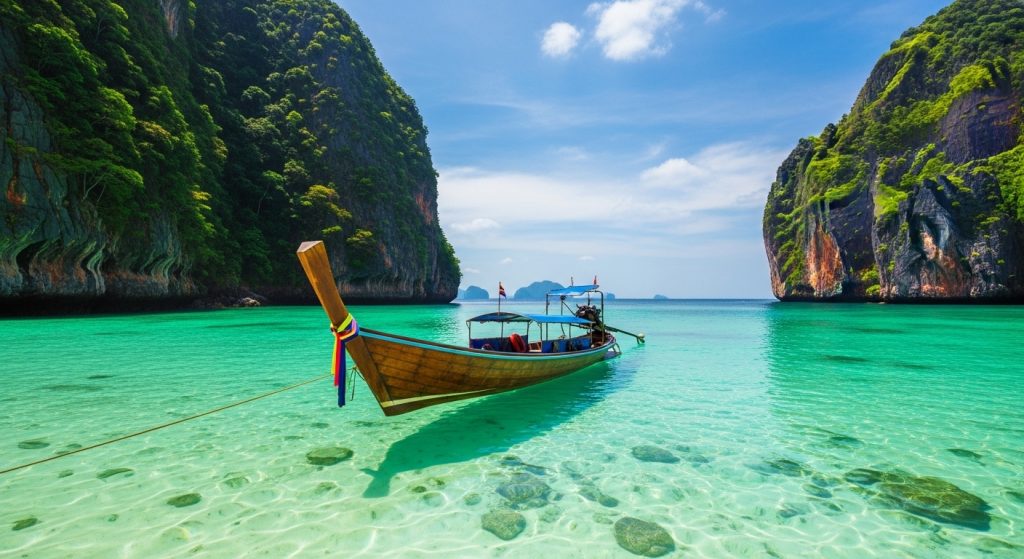
Thailand continues to attract travelers from across the world because it delivers exceptional value. Whether you are visiting Bangkok’s temples, the beaches of Phuket, or the mountain culture of Chiang Mai, Thailand has something for every type of traveler at a price point that makes extended stays entirely feasible.
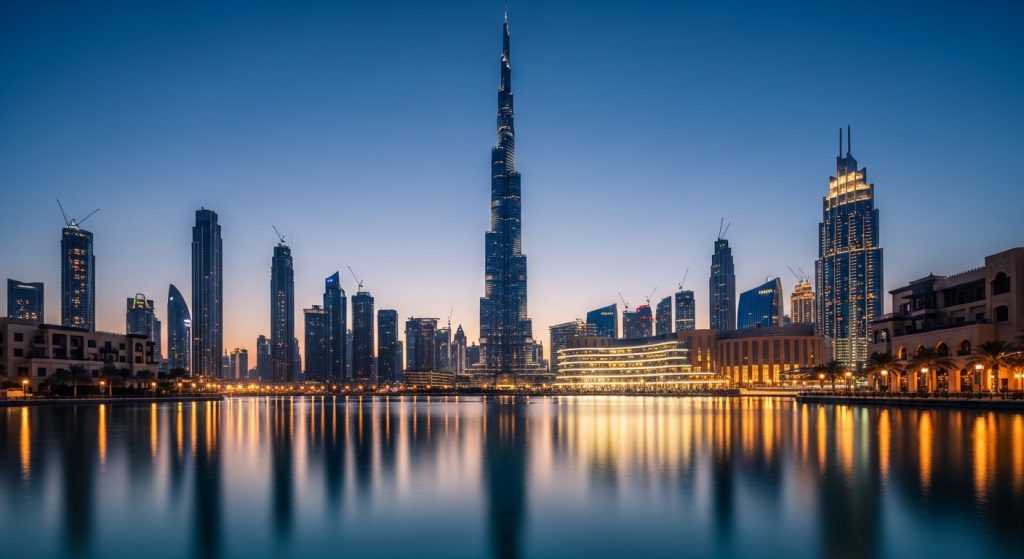
United Arab Emirates, particularly Dubai and Abu Dhabi, has evolved from a stopover destination into a full travel experience in its own right. World-class infrastructure, safety, diverse cuisine, and a year-round events calendar have made it a top choice for families and solo travelers alike.
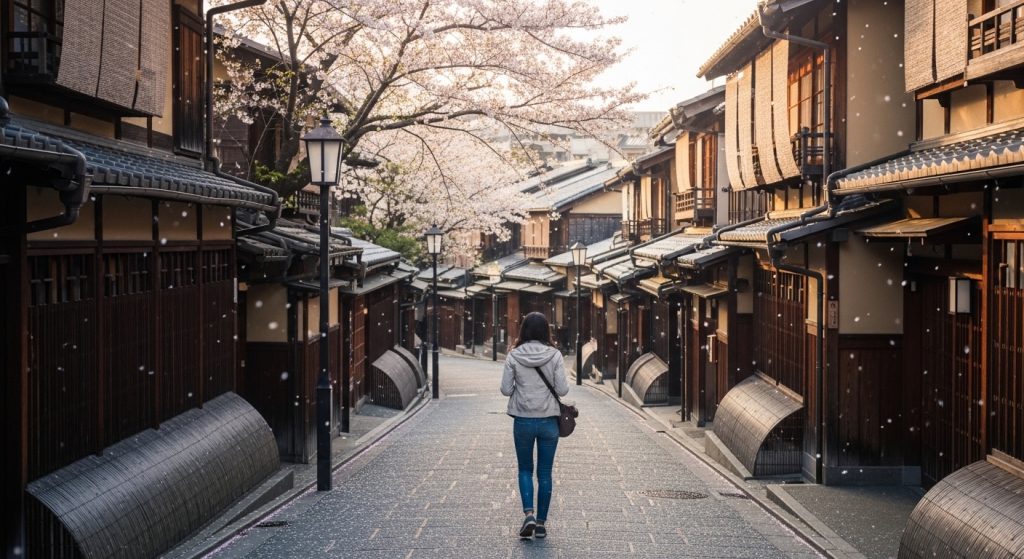
Japan has returned to full tourism capacity and is once again drawing record visitor numbers. The blend of ultra-modern cities and deeply traditional culture creates a contrast that leaves most visitors wanting to come back immediately.
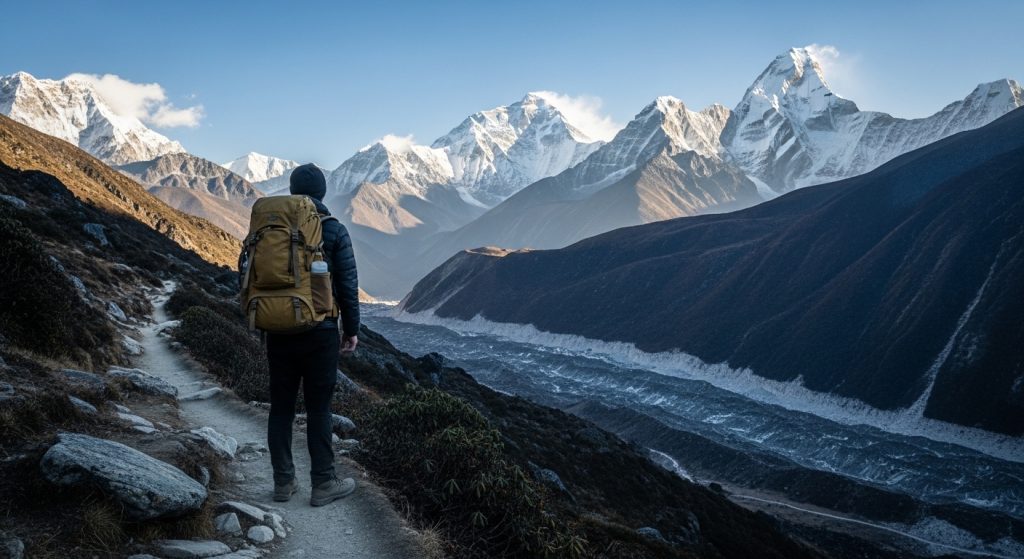
Nepal deserves special mention for South Asian travelers. It is among the easiest international destinations to visit from Pakistan, requires no prior visa arrangements for many travelers, and offers experiences ranging from Himalayan trekking to Buddhist temples and river rafting.
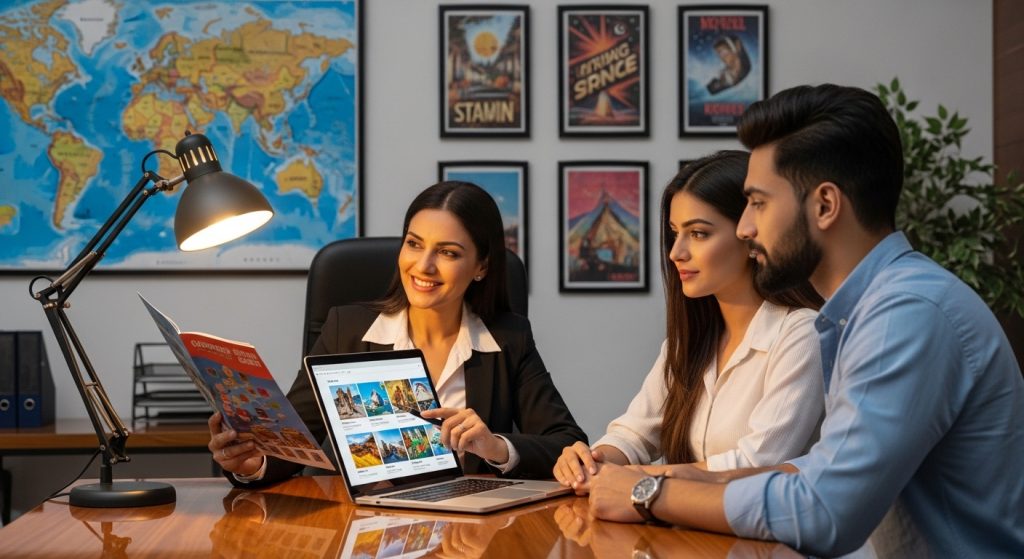
How to Choose a World Tours and Travels Agency
This is where most travelers either make or break their experience. The agency or operator you choose determines whether your trip runs smoothly or falls apart.
Here is what to look for before you hand over your booking deposit.
Licensing and registration matter more than their website design. Any legitimate travel agency operating internationally should be registered with the tourism authority of their country. In Pakistan, for example, genuine agencies are registered with the Pakistan Association of Tour Operators or the Tourism Development Corporation. Ask for their registration number and verify it.
Read reviews on independent platforms, not just their own website. Google Reviews, Trustpilot, and travel forums like TripAdvisor give you unfiltered feedback from real travelers. Look specifically for reviews that mention how the agency handled problems, not just the ones where everything went perfectly.
Transparency on pricing is non-negotiable. A trustworthy agency gives you a detailed breakdown of what is and is not included in a quoted price. Vague quotes that simply say “all-inclusive” without specifying hotel star ratings, meal types, or airline names are a red flag.
After-sale support separates good agencies from great ones. Ask directly: if I miss a connecting flight or lose my passport abroad, what support do you provide? Agencies with genuine 24/7 traveler support are worth the premium they sometimes charge.
Building Your Own World Travel Plan: A Practical Approach
Not everyone wants to go through a travel agency. Many experienced travelers prefer to build their own itineraries because it gives them complete control over timing, budget, and experiences. If that sounds like you, here is a framework that works.

Start with your interests, not the destination. If you love food, build your trip around culinary destinations. If history is your thing, plan around UNESCO World Heritage Sites. If you are drawn to nature, look at national parks and coastal regions. Your interests should drive every decision, including which countries make the list.
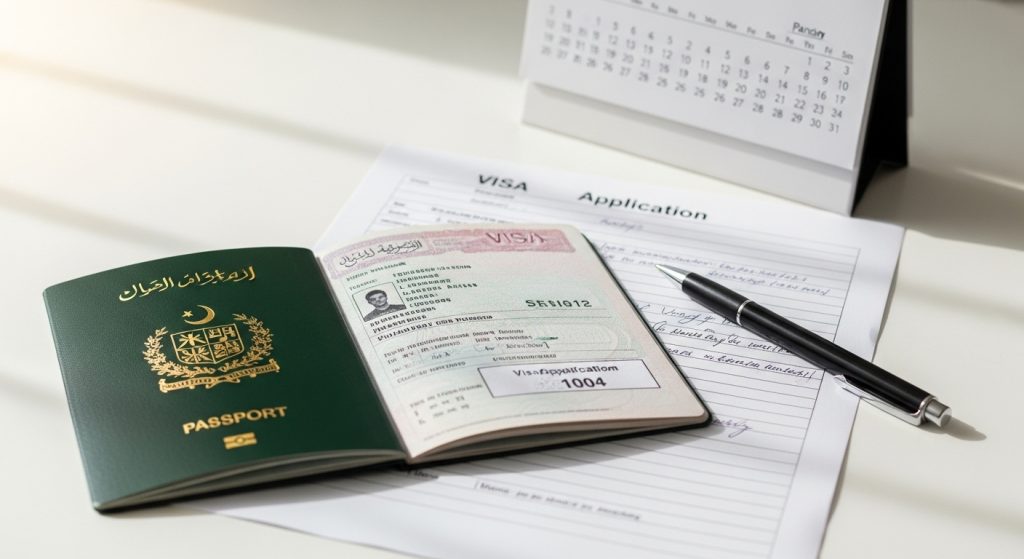
Research visa requirements early, not last minute. Visa processing times vary enormously. Some countries offer visa on arrival or electronic visas that take 24 hours. Others, particularly Schengen countries in Europe and North America, can take four to eight weeks to process. Missing a visa deadline can collapse an entire trip.
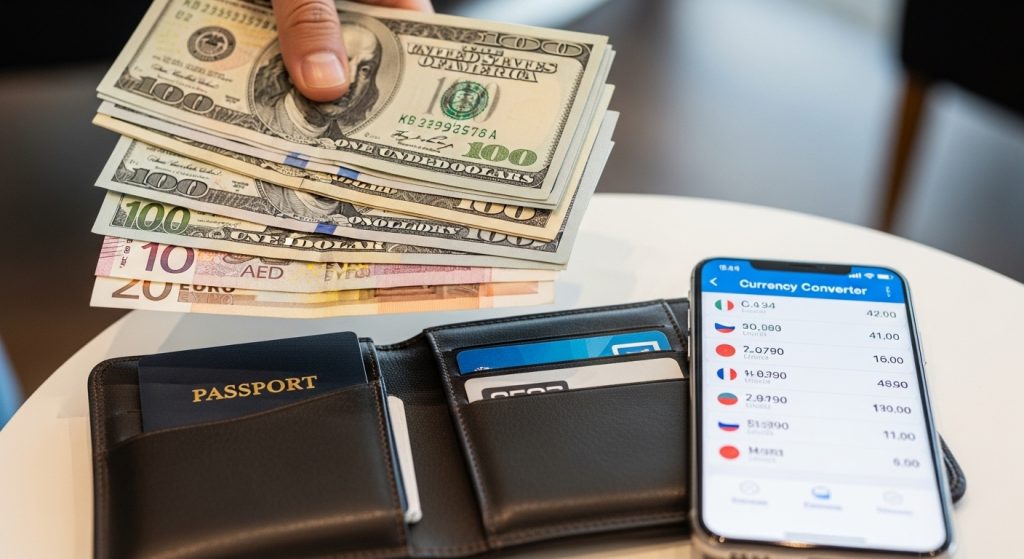
Budget for the unexpected. Experienced travelers consistently say the same thing: add 20 percent to whatever travel budget you initially plan. Currency fluctuations, unexpected medical costs, changed bookings, and spontaneous opportunities all require financial flexibility.
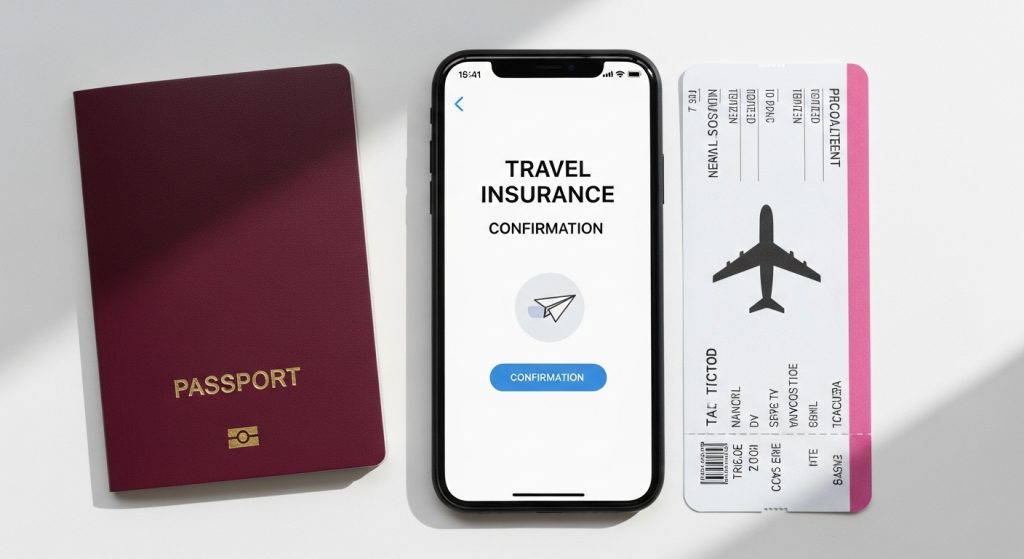
Travel insurance is not optional. This is one area where cutting costs is genuinely dangerous. A single medical evacuation from a remote location can cost more than your entire trip budget. Good travel insurance covers medical emergencies, trip cancellation, lost luggage, and sometimes even civil unrest.
What to Expect When You Travel to Multiple Countries in One Trip
Multi-destination travel is exciting but it requires more planning than a single-country trip. A few things consistent travelers learn quickly:
Keep your first day in each new country light. Jet lag, time zone adjustments, and the mental load of navigating a new place mean you are never at your sharpest on arrival day. Build in buffer time rather than cramming activities into every hour.
Currency exchange strategy matters. Carrying large amounts of cash in any single currency is risky. Most experienced travelers use a combination of local cash for small purchases, a travel debit card with low international fees for mid-size expenses, and a backup credit card for emergencies.
Language barriers are far less intimidating than they seem. A translation app, a few memorized phrases in the local language, and a genuine smile handle about 90 percent of everyday interactions. People everywhere respond warmly to travelers who show even minimal effort to engage in the local language.

How Digital Tools Have Changed World Travel Planning
Travel planning today looks nothing like it did ten years ago. The entire research, booking, and navigation process has moved to smartphones, and this has genuinely made travel more accessible.
Flight comparison engines like Google Flights, Skyscanner, and Kayak allow you to compare hundreds of airlines and routing options simultaneously. Setting up price alerts for specific routes lets you book at the right time rather than guessing when fares are lowest.
Accommodation platforms now go far beyond hotels. Short-term rental platforms, boutique guesthouses, heritage properties, and even overnight train journeys can all be booked in advance. Reviewing the location on a map before booking saves significant time and money once you arrive.
Offline maps have eliminated one of the biggest anxieties of international travel. Downloading a city map before you land means you can navigate confidently even without a local SIM card.
AI trip planning tools are increasingly useful for building initial itineraries. They can suggest logical travel routes, flag seasonal travel considerations, and estimate realistic daily costs. That said, they work best as a starting point rather than a final plan, since local knowledge and real traveler reviews still catch things that automated tools miss.
Travel Tips Specific to Pakistani and South Asian Travelers
International travel from Pakistan comes with its own set of practical considerations that generic travel guides rarely cover.
Passport validity requirements catch many Pakistani travelers off guard. Most countries require at least six months of passport validity beyond your intended departure date. If your passport expires within six months of your travel dates, renew it before booking anything.
Halal food availability is a genuine concern for many Pakistani travelers, particularly in countries where it is not the norm. Before visiting any destination, research the local halal food scene. Countries like Malaysia, Turkey, Indonesia, and the UAE have extensive halal options. Japan, for comparison, requires more advance research but halal dining is increasingly available in major cities.
Prayer times and facilities are worth mapping out for destinations you plan to visit during Ramadan or on Fridays. Many mosques worldwide welcome visiting Muslims, and apps like Muslim Pro give you prayer times and nearby mosque locations in virtually any city worldwide.
Currency exchange in Pakistan has improved significantly with legal exchange options now widely available. Always exchange currency through licensed dealers and avoid airport exchange counters, which typically offer the worst rates.
Common Mistakes That Ruin International Trips
After reviewing thousands of traveler accounts and first-hand travel experiences, a few patterns consistently emerge in what goes wrong.
Overpacking is the most universal mistake. You will walk more than you expect, navigate more stairs than you planned for, and wish repeatedly that your bag weighed half as much. Pack for the temperature range, not every possible scenario.
Booking every hour of every day eliminates the experiences that make travel memorable. The best travel stories almost always involve something unplanned. Leave space in your itinerary for things to happen organically.
Ignoring local customs creates unnecessary tension and can sometimes create real problems. Basic research on local etiquette, dress codes, tipping practices, and photography rules takes 30 minutes and prevents countless awkward situations.
Relying on a single payment method abroad is risky. Cards get blocked, ATMs run out of cash, and some places only accept cash. Diversify your access to money before you leave home.

Final Thoughts on World Tours and Travels
The world is genuinely one of the most remarkable things available to any of us. Every country holds something that cannot be fully understood from a screen, whether that is the scale of the Himalayas, the energy of a Southeast Asian night market, the silence of a Turkish hamam, or the kindness of a stranger who helps you find your way when you are completely lost.
World tours and travels, whether organized through an agency or built independently, give you access to experiences that stay with you for the rest of your life. The planning can feel overwhelming at first, but every trip you take makes the next one easier.
Start with the destination that excites you most. Research carefully, budget honestly, pack light, and go.