





Most people use the words travel and tour interchangeably. You will hear someone say “I am going on a tour of Europe” when they really mean they are traveling independently through three countries with no fixed itinerary. You will also hear “I love to travel” from someone who has only ever booked all-inclusive group packages.
The confusion is understandable. Both words involve moving from one place to another, experiencing new environments, and spending time away from home. But they describe fundamentally different experiences, and understanding the difference can genuinely change how you plan your next trip.
This is not just a matter of vocabulary. Whether you choose to travel or take a tour affects your budget, your freedom, your daily experience, and what you bring back from the journey.
The Core Difference Between Travel and Tour in Simple Terms
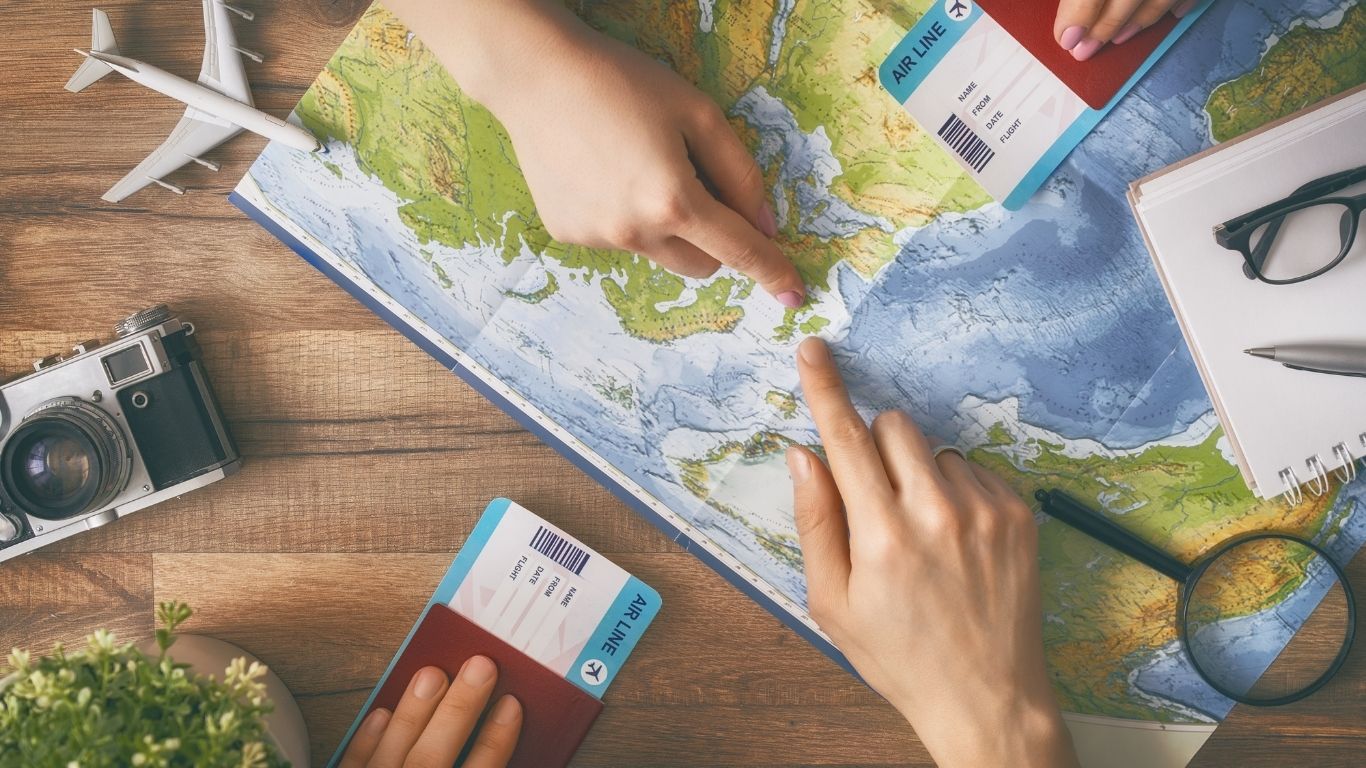
Travel is the broader concept. It refers to the act of moving from one place to another, especially to distant or foreign locations. When someone says they love to travel, they are describing a lifestyle orientation a preference for experiencing the world beyond their own surroundings. Travel can be spontaneous or planned, solo or with others, budget or luxury.
A tour is a structured, organized experience within the world of travel. It has a defined route, a fixed schedule, planned activities, and usually a guide or operator managing the logistics. A tour is something you take. Travel is something you do.
Think of it this way. Travel is the category. A tour is one specific way of doing it.

Breaking Down What Travel Really Means
When travel professionals and experienced globetrotters talk about travel in its purest sense, they are describing independent movement through the world on your own terms.
Travel involves making your own decisions about where to go, when to go, how long to stay, where to sleep, what to eat, and what to do each day. It is flexible by nature. You might plan a rough outline before you leave, but the actual experience evolves based on what you discover along the way.
Travelers tend to immerse themselves more deeply in local culture because they are not following a curated schedule. They eat where locals eat, use public transportation, get lost occasionally, make unexpected connections, and leave with stories that no tour brochure could have predicted.
This freedom comes with responsibility. As an independent traveler, you handle your own visa applications, book your own accommodation, research your own transportation options, manage your budget in real time, and solve problems as they arise. If something goes wrong, you figure it out.
For people who enjoy that kind of control and are comfortable navigating uncertainty, independent travel is deeply satisfying. For those who find logistics stressful or are visiting a destination for the first time, it can feel overwhelming.
Breaking Down What a Tour Really Means
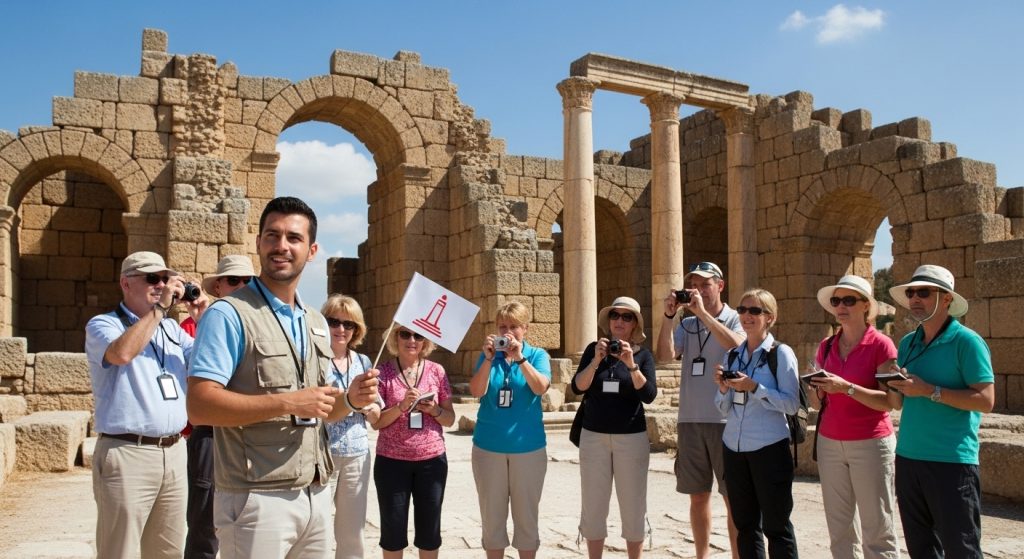
A tour, in the travel context, is an organized journey with a predetermined structure. Someone else has made the big choices: where to go, how to get there, where to stay, and what to see.
Tours are typically managed by a tour operator or travel agency. They come in different formats, ranging from a half-day city walking tour to a three-week international group expedition. What they all share is structure, predictability, and professional management.
When you book a tour, you are essentially outsourcing the planning. The tour operator has already negotiated hotel rates, secured transportation, arranged entry to attractions, and handled the logistics that would take an independent traveler weeks to sort out. You show up, follow the itinerary, and focus entirely on the experience.
Tours also offer something independent travel cannot always provide: expert local knowledge delivered in real time. A good tour guide does not just take you to a location; they explain the history, the cultural significance, and the stories behind what you are seeing. That context can transform your experience from merely observing an old building to truly comprehending it.
Key Differences
Flexibility
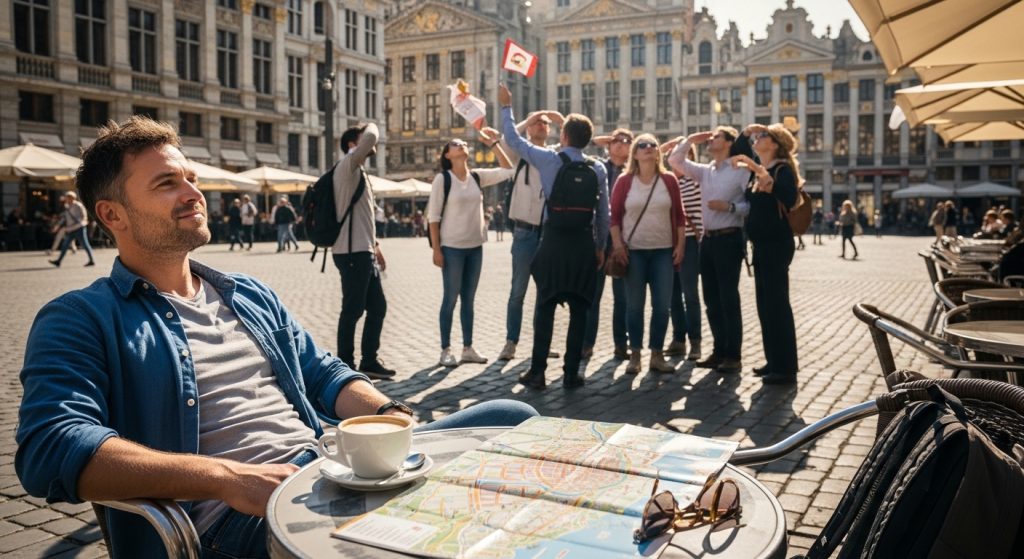
Travel gives you complete control over your schedule. You can stay longer in a place you love, skip something that does not interest you, or change your plans entirely based on a recommendation from a stranger you met at a cafe. A tour operates on a fixed schedule. Everyone in the group moves together, which means your individual preferences take a back seat to the collective itinerary.
Cost Structure
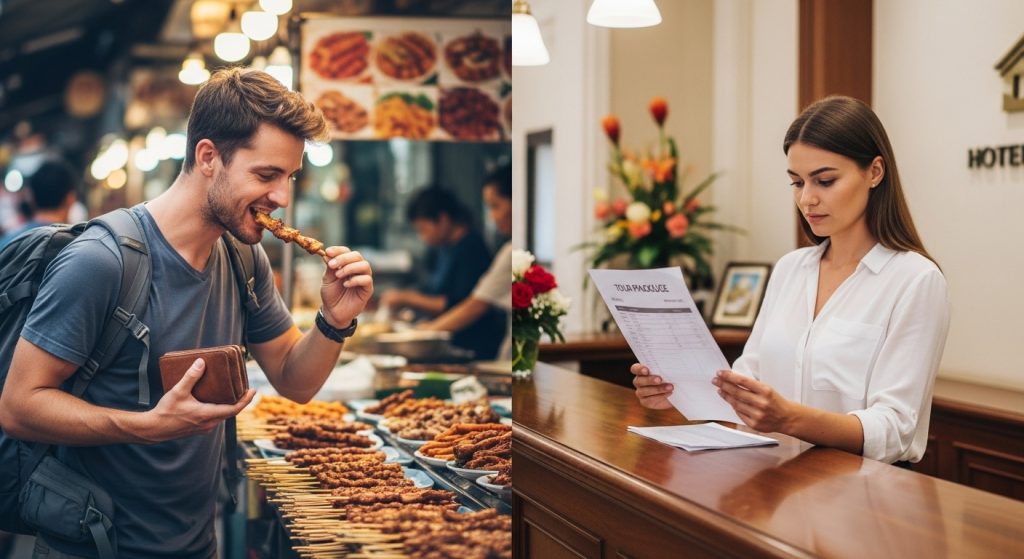
Independent travel can be significantly cheaper if you are strategic about it. You choose your own accommodation category, eat at local markets instead of tourist restaurants, and travel during off-peak times. But the costs can also spiral if you are not careful, because every decision is yours.

Social Experience
Solo travel can be deeply personal and even lonely at times, which many travelers actually value. You have complete privacy and can process your experiences without the noise of a group dynamic. Group tours put you with other travelers, which can lead to friendships and shared memories, but also means adjusting to different personalities and travel styles.
Depth of Experience
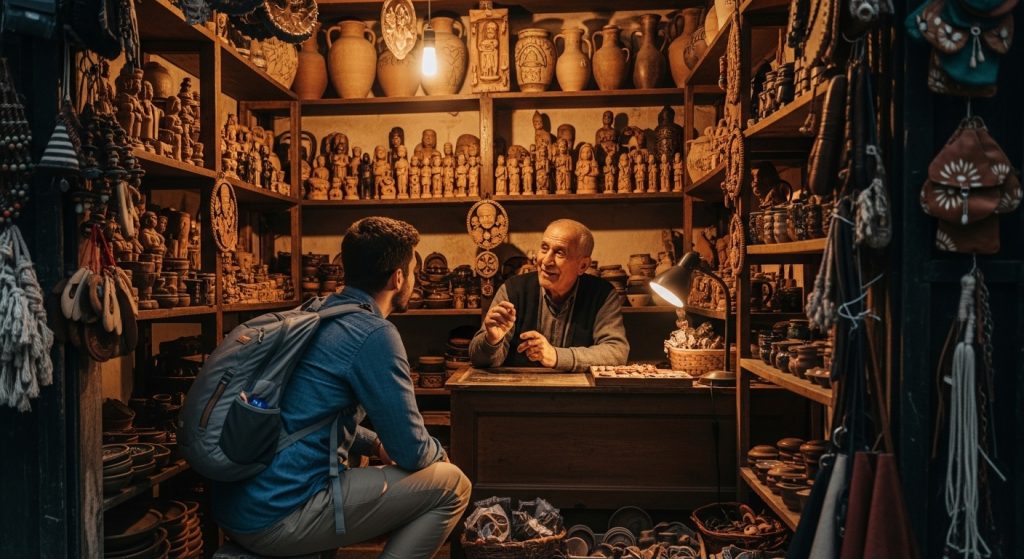
Independent travelers often report a deeper connection to the places they visit because they are not moving through a curated highlight reel. They stumble onto a neighborhood festival, spend an afternoon talking to a shopkeeper, or discover a restaurant with no tourists because they had the time and freedom to wander. Organized tours cover more ground efficiently but sometimes at the cost of depth.
Safety and Support
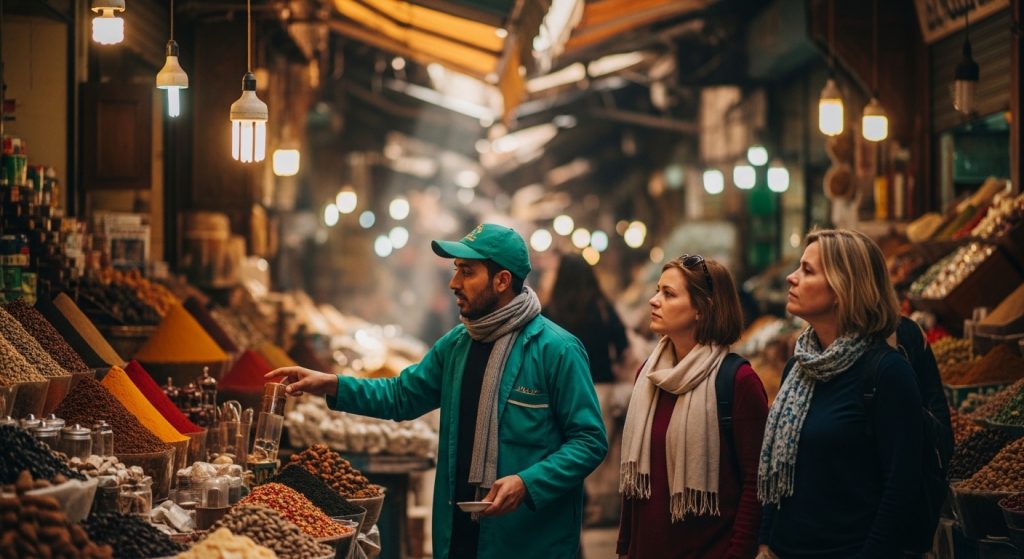
In unfamiliar destinations, especially those with language barriers or complex local customs, a tour provides a level of safety and support that independent travel cannot match. You have a guide who knows the local environment, a pre-arranged support structure if something goes wrong, and the reassurance of traveling with a group.
Time Efficiency
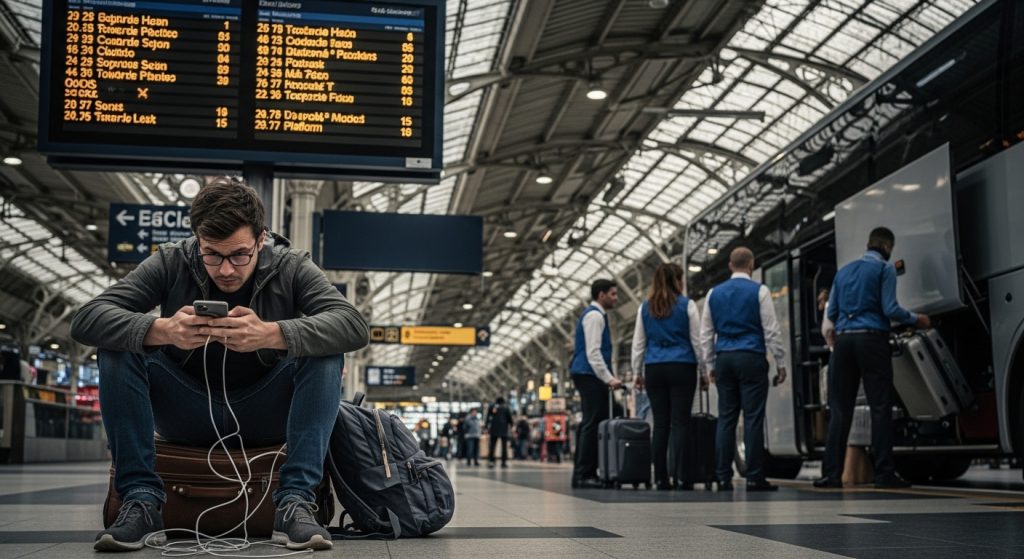
If you have limited time and want to see as much as possible, a well-planned tour is genuinely the smarter choice. Tour operators design their itineraries to maximize what you can see and do within a given timeframe. Independent travelers often spend time on logistics that a tour would have handled automatically.
Types of Tours and How They Differ from Each Other
Understanding the category of tours also matters because not all tours are the same experience.

Group tours are the most common format. You join other travelers on a shared itinerary, usually with a tour guide. These range from large bus tours of 40 or more people to intimate small-group tours of eight to twelve travelers. The smaller the group, the more personalized the experience.
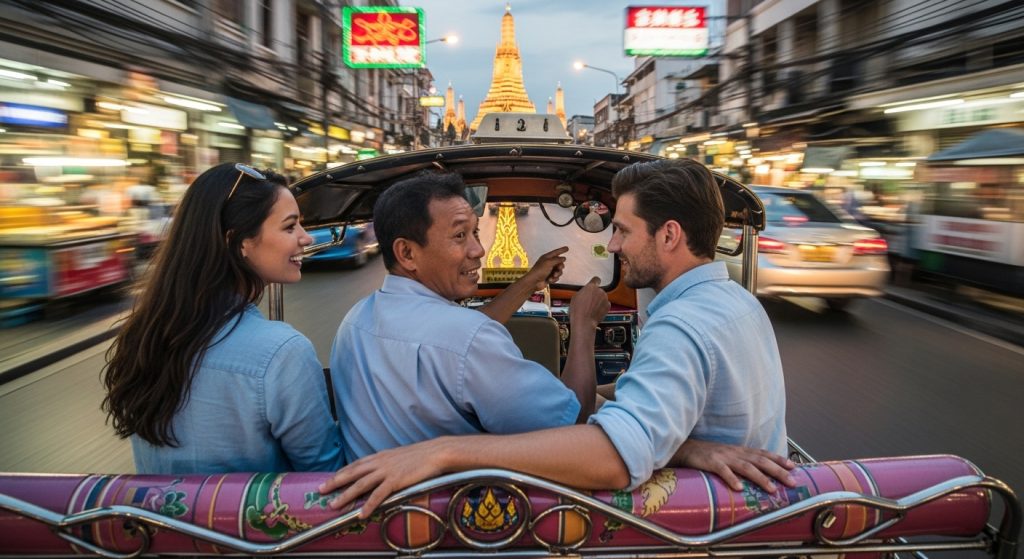
Private tours give you the structure of a tour with the intimacy of independent travel. A guide and transportation are arranged for you alone or for your group, meaning the itinerary can be adjusted based on your interests. This is the most expensive tour format but also the most flexible.
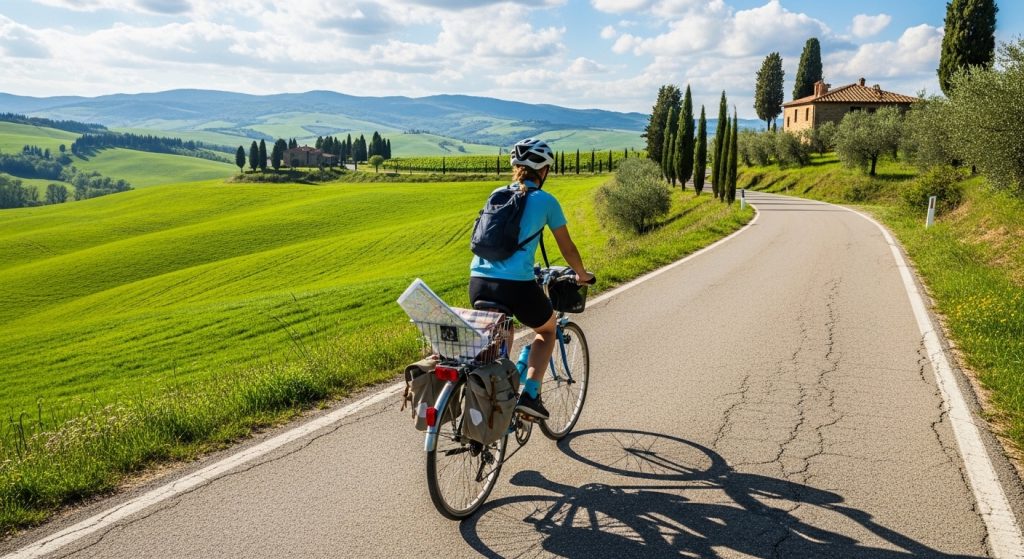
Self-guided tours fall somewhere between travel and a traditional tour. The operator provides you with a pre-planned route, maps, accommodation bookings, and luggage transfers between stops, but you move at your own pace without a guide. Walking or cycling tours in Europe often work this way.
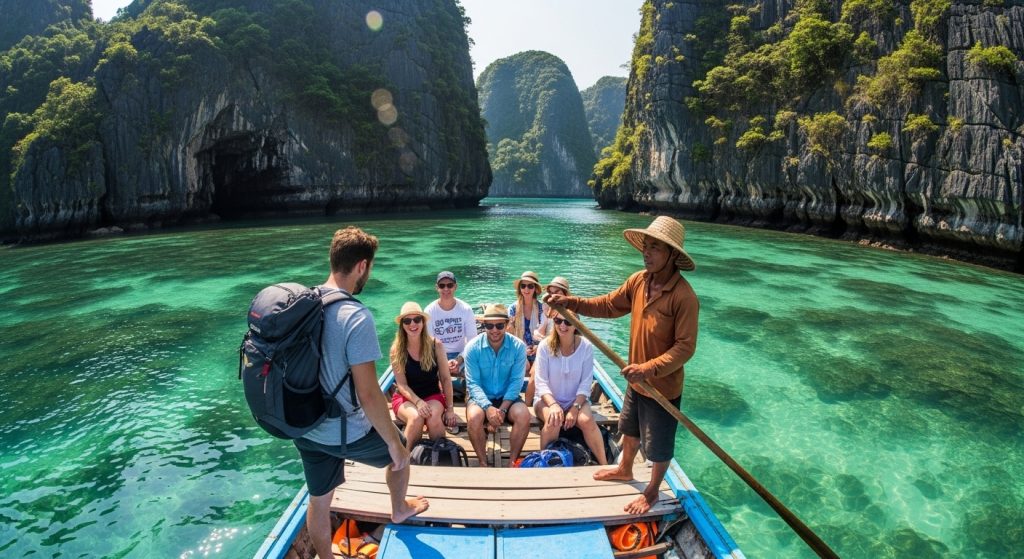
Day tours are standalone experiences booked within an independent travel trip. You might be traveling independently through Thailand but book a day tour to visit the temples of Ayutthaya with a guide. This hybrid approach gives you the best of both worlds.

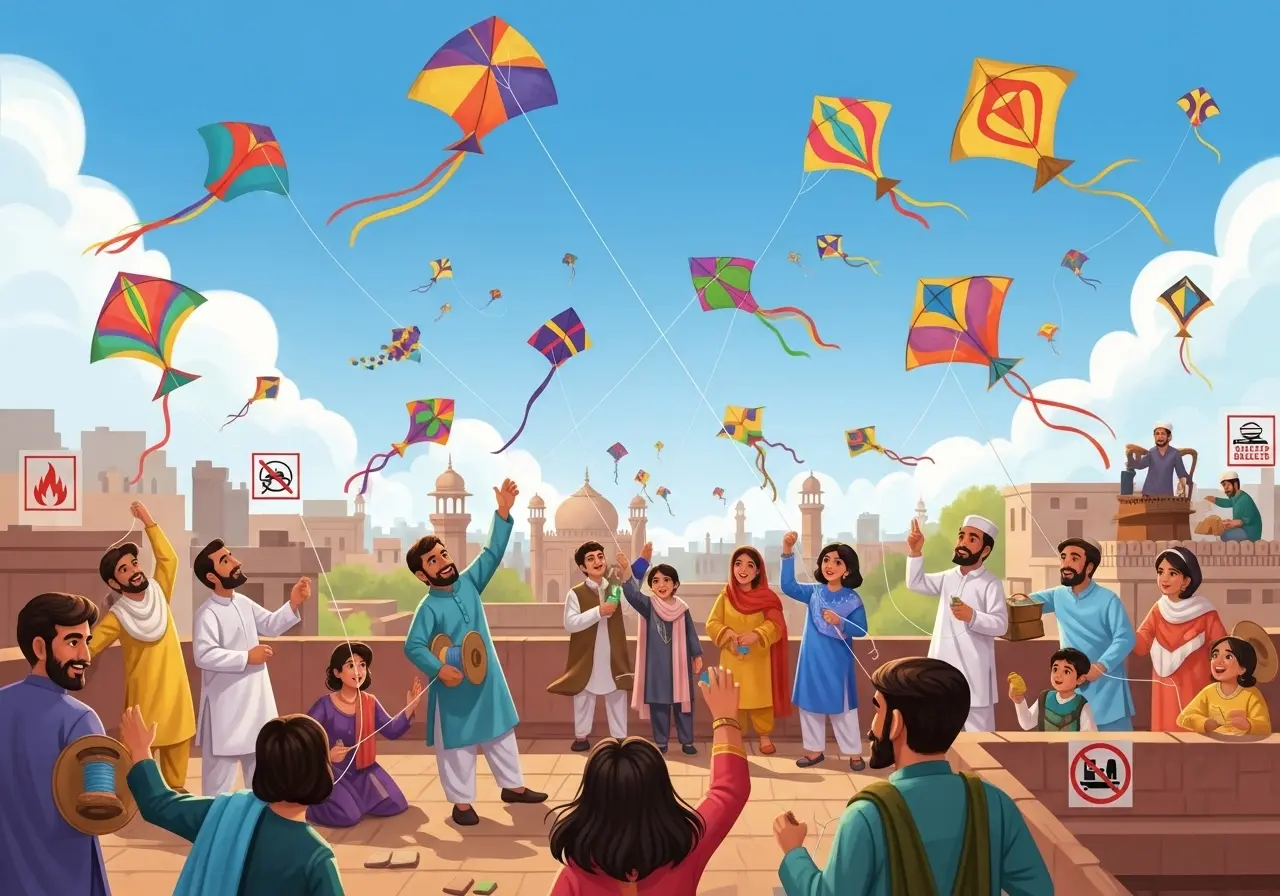
Special interest tours are built around a specific activity or theme: culinary tours, photography tours, adventure sports tours, religious and pilgrimage tours, historical tours, and wellness retreats all fall into this category. These attract people with a shared passion and tend to create strong connections among participants.
Which One Is Right for You
There is no universally correct answer to whether you should travel independently or take a tour. The right choice depends on several honest factors.
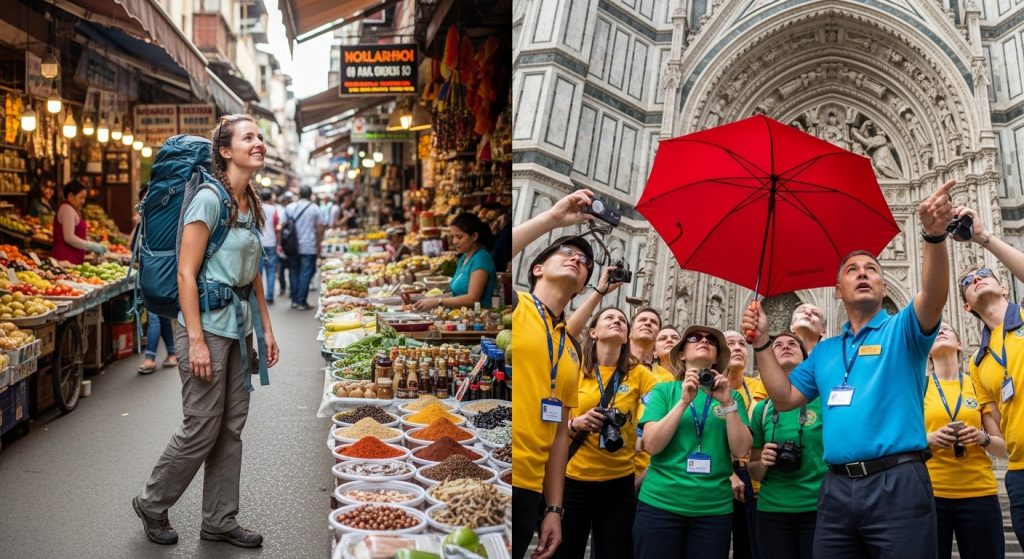
Your experience level matters. First-time international travelers usually benefit from the structure and support of a tour. It removes uncertainty from an already unfamiliar situation. As you build confidence and knowledge about how international travel works, independent travel becomes progressively easier and more appealing.
Your destination matters. Some countries are straightforward to navigate independently. Malaysia, Turkey, and the UAE, for example, have excellent infrastructure, English-language signage, and well-established tourist industries. Other destinations, including parts of Central Asia, remote South American regions, and some African countries, genuinely benefit from the local knowledge and organizational support a tour provides.
Your travel purpose matters. If you are visiting a destination for a specific cultural, religious, or historical reason and want to understand it deeply, a guided tour with an expert will deliver far more value than wandering alone. If you are chasing freedom and spontaneity, independent travel fits better.
Your budget matters honestly. Independent travel on a tight budget almost always costs less than a packaged tour. But if you factor in the time you spend researching, booking, and managing logistics, the hidden cost of independent travel rises. For people with limited time and a reasonable budget, tours often represent better overall value.
Your travel companions matter. Families with young children often find tours far easier to manage because the logistics are handled and children have a structured daily experience. Solo travelers oscillate between both options depending on the destination and mood. Couples tend to prefer independent travel for the intimacy it provides.

A Pakistani Traveler’s Perspective on Travel Versus Tour
For travelers from Pakistan specifically, this distinction carries some additional weight.
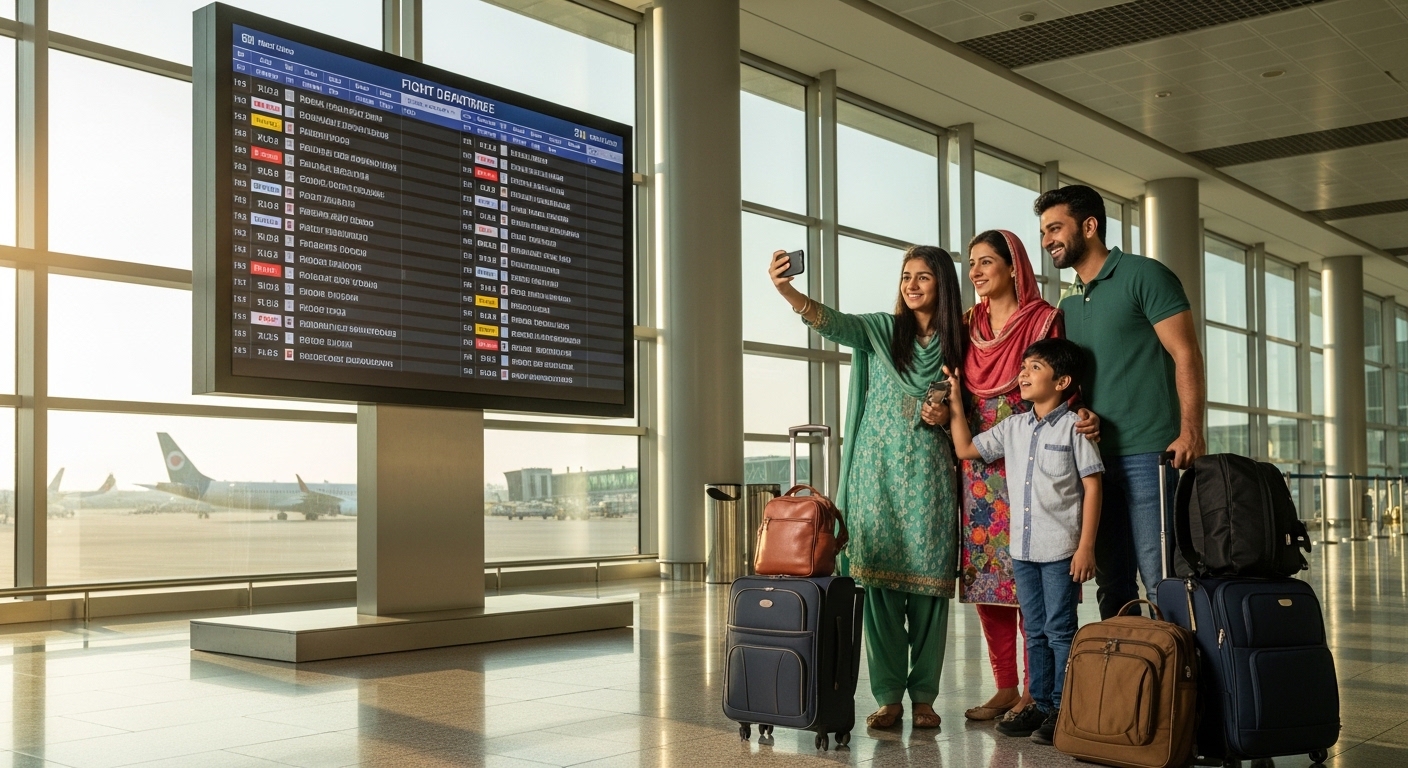
Most first-time international travelers from Pakistan book through a tour operator or travel agency, which makes complete sense. Navigating visa requirements, foreign currency, language barriers, and unfamiliar transportation systems for the first time is genuinely easier with professional support.
Popular tour packages for Pakistani travelers typically cover Saudi Arabia for Umrah and Hajj, Turkey, UAE, Malaysia, and Thailand. These are well-trodden routes with established Pakistani tour operators who know the specific requirements and preferences of this audience, including halal food, prayer facilities, and family-friendly environments.
As Pakistani travelers gain more international experience, many shift toward independent travel or hybrid approaches where they book flights and hotels themselves but join local day tours in each destination. This gives them more control without abandoning the benefits of organized guidance entirely.
The growing number of Pakistani travel vloggers and content creators sharing independent travel experiences has also inspired a younger generation to approach world travel with significantly more confidence than previous generations did.

Common Misconceptions About Travel and Tours
Tours are only for older travelers.
This was perhaps true twenty years ago when coach tours dominated the industry. Today, adventure tours, backpacker group trips, surf and yoga retreats, and food-focused travel experiences attract travelers of every age. The format has evolved enormously.
Independent travel is always cheaper.
Not always. Poor planning, last-minute bookings, and expensive mistakes can make independent travel significantly more costly than a well-priced tour package. The cost advantage of independent travel only materializes with good research and disciplined decision-making.
You cannot have authentic experiences on a tour.
This depends entirely on the quality and philosophy of the tour operator. Many boutique tour companies are specifically designed to connect travelers with local communities, authentic food, and genuine cultural experiences. Mass tourism packages are less likely to deliver this, but they are not representative of the entire tour industry.
Travel means going abroad.
Travel is not exclusively international. Domestic travel, road trips, and exploring your own country are equally valid forms of travel. Some of the most meaningful travel experiences people describe are found within a few hours of where they grew up.
How to Decide: A Simple Framework
Before booking your next trip, ask yourself these four questions honestly.
First, how comfortable am I with uncertainty and problem-solving in unfamiliar environments? If the answer is very comfortable, lean toward independent travel. If the answer is not very, lean toward a tour.
Second, how much time do I have available for both planning and the trip itself? Limited planning time and limited trip duration both favor tours.
Third, what is the primary purpose of this trip freedom and exploration, or depth and guided understanding? Freedom points toward travel. Depth points toward a tour.
Fourth, am I visiting this destination for the first time or do I have prior experience there? First-time visitors almost always get more value from a guided tour. Return visitors often prefer to explore independently with the foundation of their previous experience.
Final Thoughts on World Tours and Travels
Travel and tour are not competing concepts. They are different tools for different situations, and the wisest travelers know how to use both depending on what each journey calls for.
Some of the most experienced travelers in the world still book guided tours when they visit a country they know nothing about. Some first-time international travelers jump straight into independent exploration and discover they love the freedom immediately.
What matters most is that you go. The difference between travel and a tour is a far smaller question than the difference between going and staying home.
Plan thoughtfully, choose what fits your situation honestly, and then make the most of wherever you end up.